Resources
Technical notes for dental professionals
Material selection, scan protocols, guide design and logistics — written by the people who produce the cases.
Material selection, scan protocols, guide design and logistics — written by the people who produce the cases.
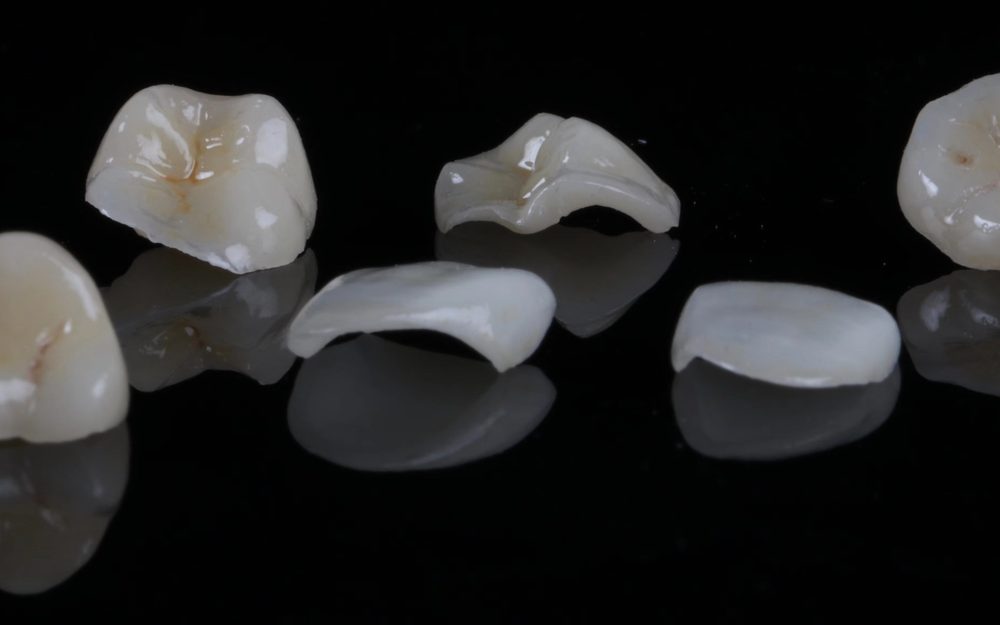
The material decision is usually made per tooth, not per patient. Here is the rule we apply in the laboratory when the case is ambiguous.
Read more →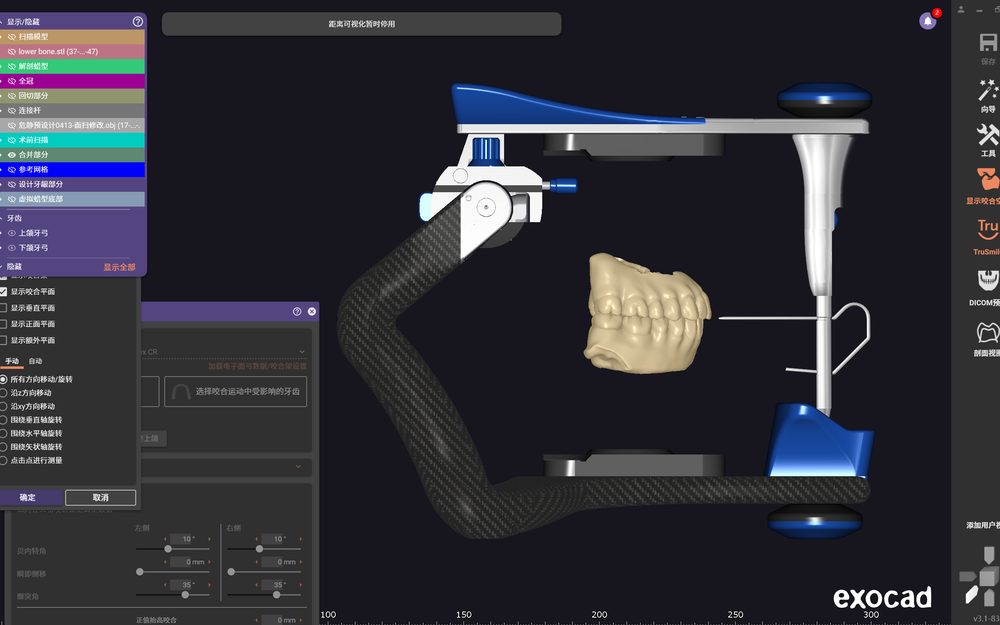
Most design delays are caused by the same five issues in the scan. Checking them takes two minutes at the chair.
Read more →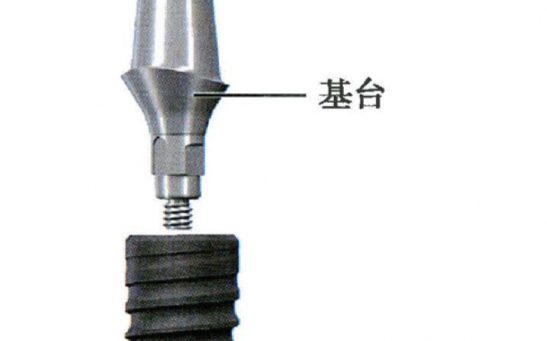
Shade is the most common reason an aesthetic case is remade. The cause is rarely the ceramic — it is the record.
Read more →Passive fit is a design outcome, not a polishing step. Four decisions determine whether a bar seats without stress.
Read more →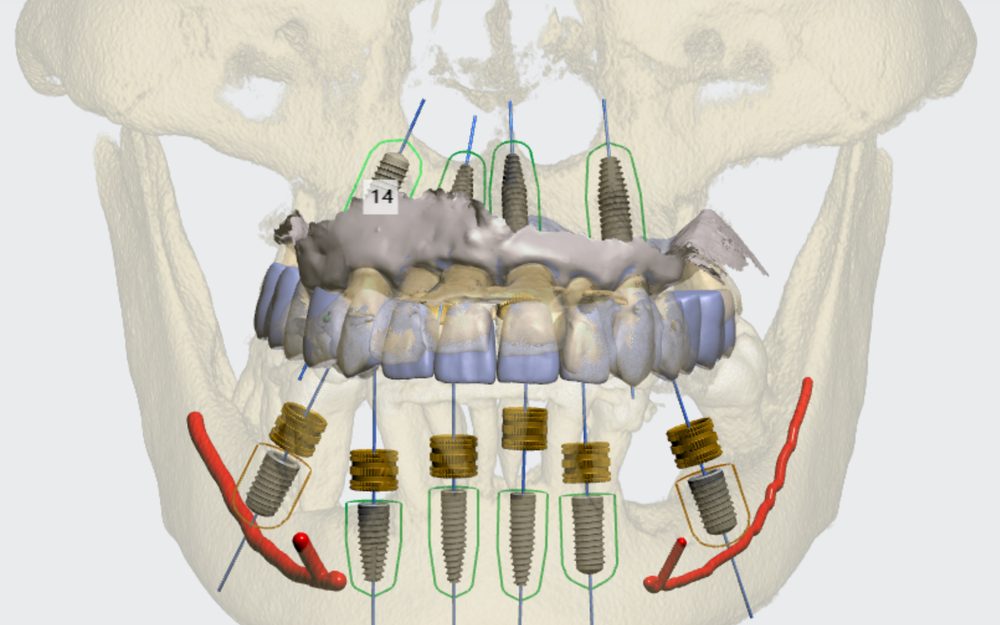
Guide accuracy comes from the data set and the seating, not from the printer. Here is what we check before printing.
Read more →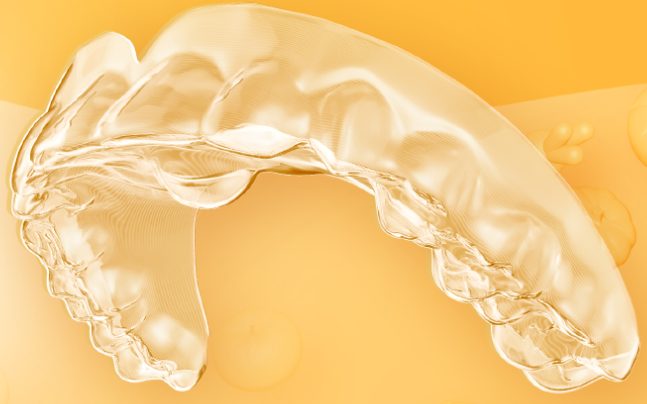
A plan that looks smooth in software can stall at stage 12. The cause is usually movement per stage, not the aligner material.
Read more →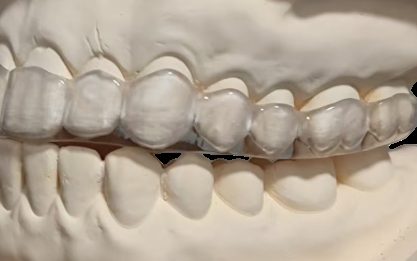
Stabilisation, repositioning, pivot and NTI appliances solve different problems. Using the wrong one delays the diagnosis.
Read more →A stock abutment is cheaper and faster. The question is whether the patient's anatomy allows it.
Read more →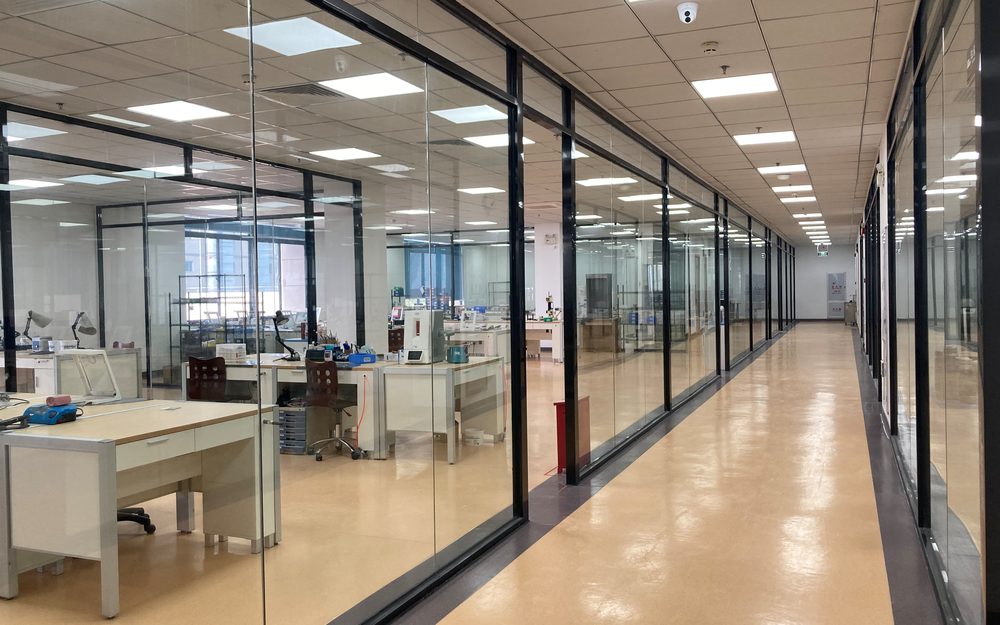
Customs delays are usually a documentation problem, not a transport problem. What to prepare before the first shipment.
Read more →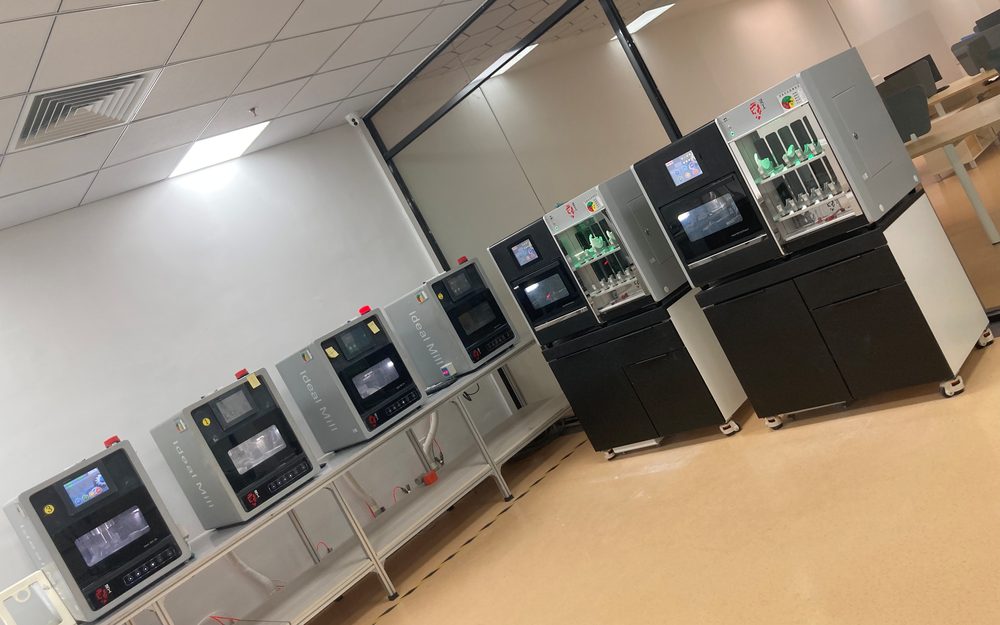
After reviewing remake records, the causes fall into four groups. Three of them are preventable before production starts.
Read more →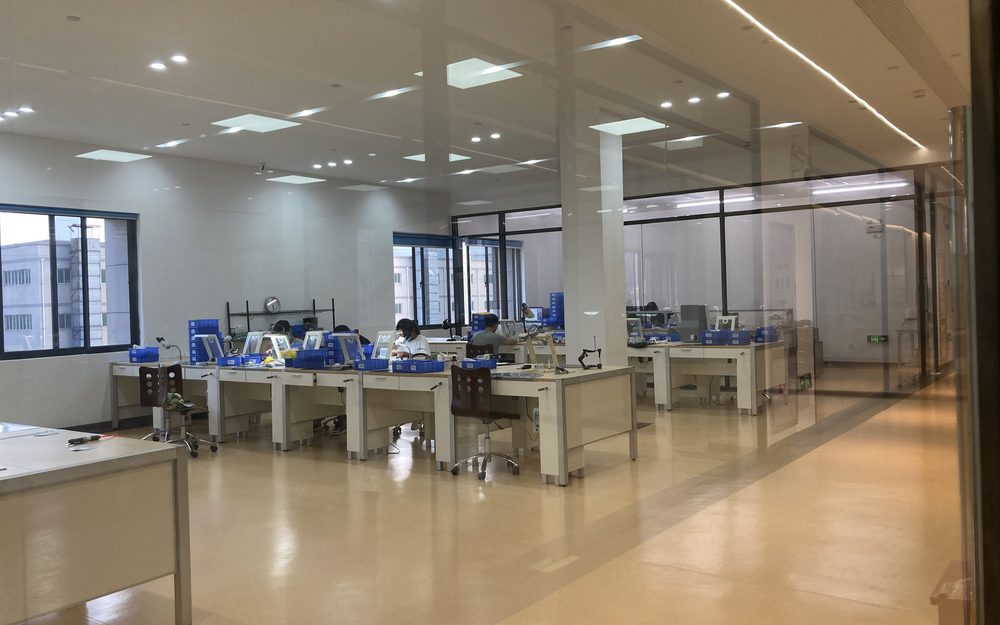
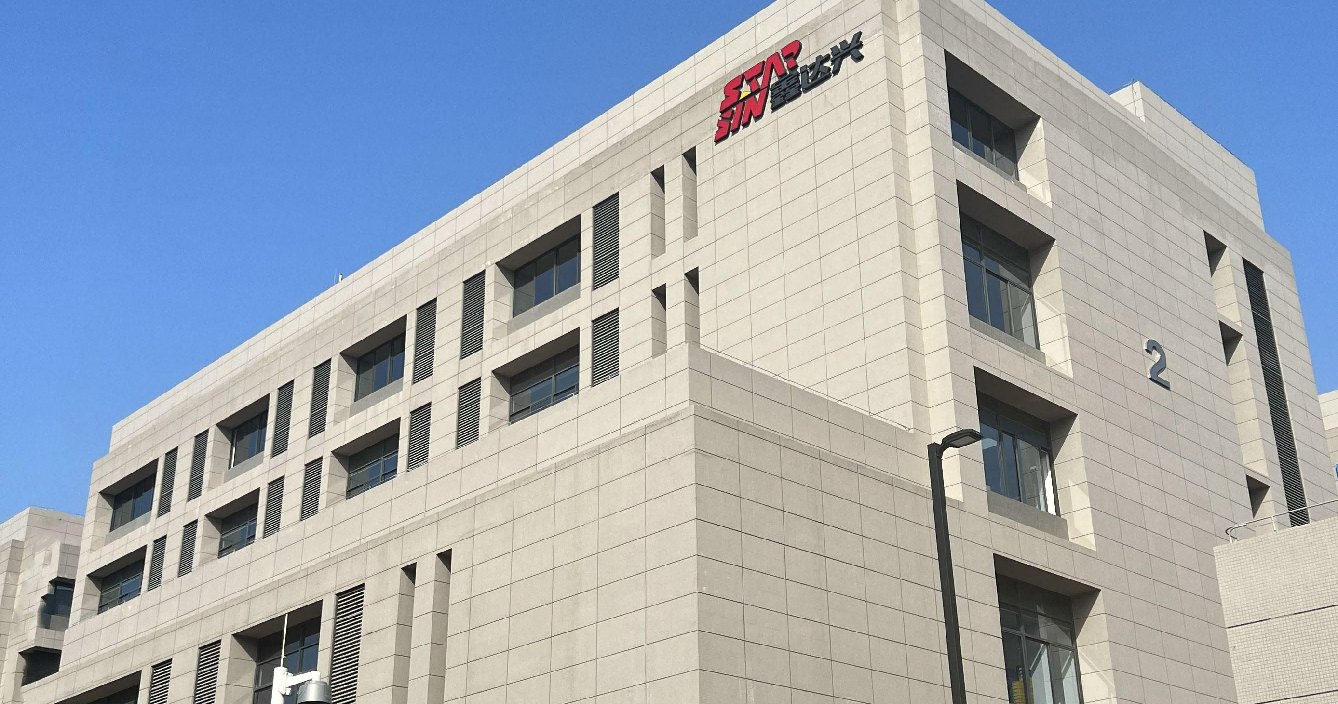
A walk through the building in Haicang, from the milling department on the first floor to the aesthetic studio on the fifth.
Read more →STL, PLY or conventional impressions. Named technician per account, DHL and FedEx delivery worldwide.